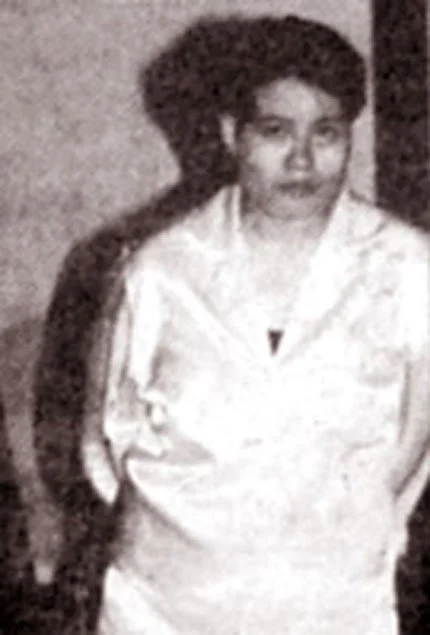
Dung Hà occupies a rare and deeply complicated place within Vietnam’s LGBTQ+ past, remembered both as a feared crime boss and as a murder victim whose death helped unravel one of the largest organized-crime scandals in modern Vietnamese history. Beyond the violence and underworld mythology that came to define her legacy, Dung was also a gender-nonconforming woman who dressed almost exclusively in masculine clothing and maintained highly visible relationships with other women. And despite the fact that homosexuality remained deeply stigmatized and largely underground throughout Vietnam at the time, Dung made little effort to conceal either her masculine presentation or her same-sex relationships. Though she never publicly identified herself using contemporary terms like lesbian, bisexual, transgender, or nonbinary, her open departure from conventional expectations of gender and sexuality made her an unusually visible queer figure in 1990s Vietnam. Ultimately, Dung’s LGBTQ+ significance within history is inseparable from the contradictions of her life: she was neither an activist nor a conventional role model, but a complicated figure whose queerness existed openly within one of the most masculine and unlikely corners of Vietnamese society.